🇯🇵 Investing in Japan, Part 1
Japan is having a moment.
Tourism is exploding. The yen is weak. Foreign investors are paying attention again. Suddenly, Japan feels like the center of gravity for lots of different global trends.
On the surface, the country feels both familiar and mysterious. You can land in Tokyo and find some of the most advanced urban infrastructure in the world, then take a train a few hours away and encounter small businesses that have been operating for centuries.
The streets are spotless, the trains run on time, and the products, from denim to kitchen knives to whisky, are obsessively well made.
But Japan has suddenly become hard to categorize.
Is it a slow-moving, aging economy struggling with demographics? Or is it a resurgent industrial powerhouse benefiting from a weak currency, surging tourism, and renewed geopolitical relevance?
As we begin planning our upcoming investor trip to Japan this fall, I've been collecting investment themes I'd like to explore over there.
Think of this as Part 1 of a series on investing in Japan. It's a handful of things I'm curious about, stories I keep hearing, and some corners of the economy that seem worth exploring.
Let’s go 👇
The tourism supercycle
Japan’s tourism boom is starting to have real economic consequences.
This was not a random accident. For years, Japan has been trying to increase inbound tourism. The government set aggressive targets, regional authorities promoted lesser-known destinations, and airlines expanded routes. It was working. Progress was steady. Gradual.
Then the combination of post-pandemic travel demand and a historically weak yen changed everything.
Suddenly Japan became one of the best value destinations in the developed world. Hotels that once catered mostly to domestic travelers filled with foreign visitors. Restaurants that had been local institutions began attracting international crowds. Regional towns that had rarely seen tourists started appearing on Instagram stories.
Japan welcomed 37 million foreign visitors in 2024, blowing past pre-pandemic levels, and 42.7 million in 2025 — about 117,000 visitors per day!
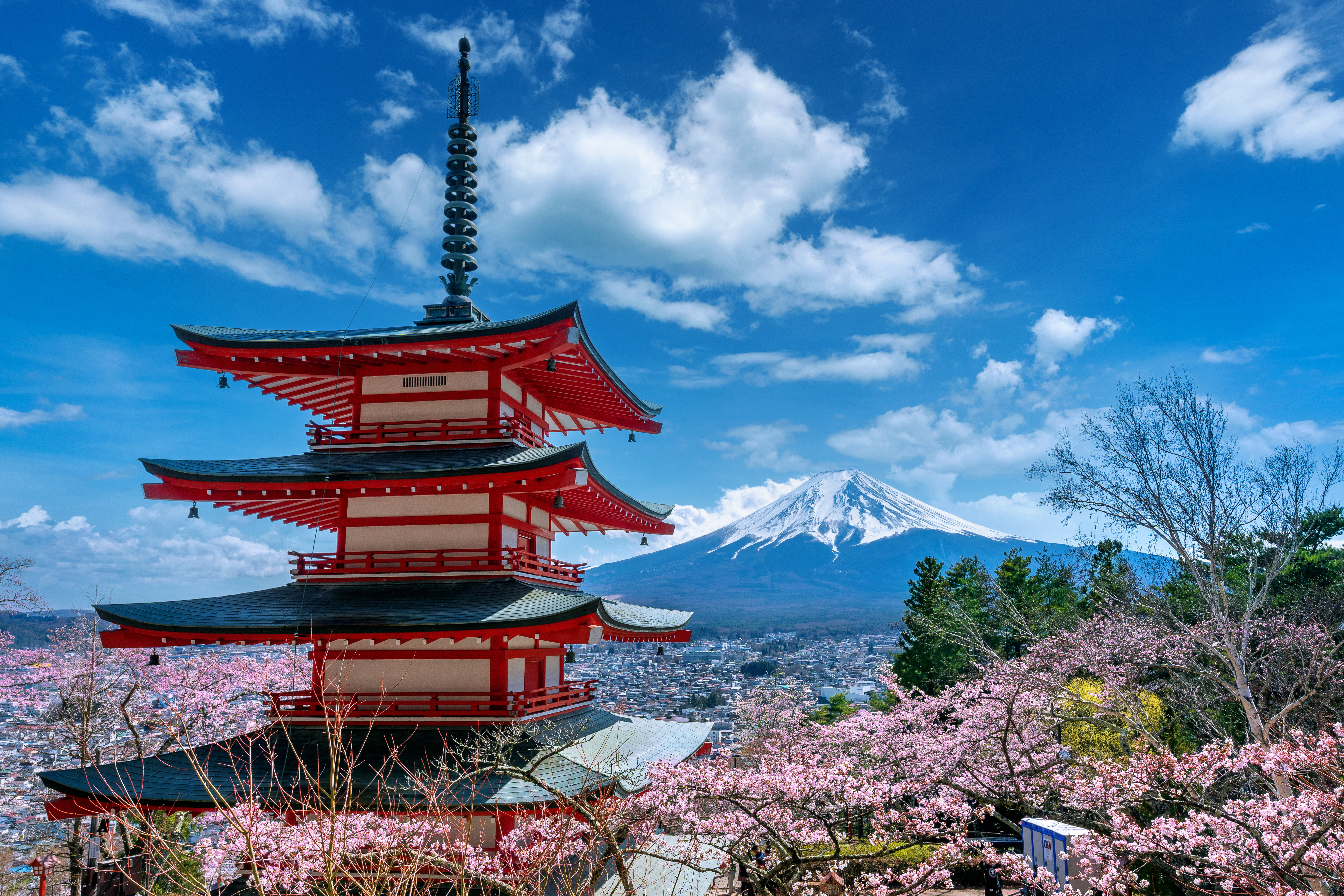
Japan is famous for order, cleanliness, and hospitality. But absorbing tens of millions of new visitors every year is forcing communities to rethink how much tourism they actually want. Fujiyoshida City recently canceled its cherry blossom festival after the crowds became too large to manage.
"For Fujiyoshida City, Mount Fuji is not just a tourist attraction; it is our very way of life. However, I feel a strong sense of crisis about the reality that, behind the beautiful scenery, the quiet lives and dignity of our residents are being threatened." - Mayor Shigeru Horiuchi
To alleviate the impact on residents, tourist hotspots have implemented visitor caps and dual pricing; i.e., charging foreign visitors a higher price than locals. In some cases, international tourists now pay 30% to 100% more.
Tourism brings millions of people into Japan every year. But visitors mostly encounter the surface layer of the economy — restaurants, hotels, shops, temples, train stations.
The more interesting story sits behind that surface: the companies that design, manufacture, and export many of the products that made Japan famous in the first place.
Companies built to last
Spend enough time looking at Japan’s economy and one pattern stands out: Japanese companies are built to last.
The result is an economy filled with businesses that feel unusually stable. Japan has thousands of companies that have survived for generations, and some that have operated for centuries.

Whereas western markets prioritize hypergrowth and quarterly results, Japanese companies have historically focused on durability and incremental improvement over decades.
Longevity shapes how Japanese companies make decisions, design products, interact with customers — really how Japan’s economy works
Why are Japanese companies so old?
The country has over 45,000 companies more than 100 years old, the highest anywhere on earth.
Before its acquisition in 2006, construction firm Kongō Gumi had been around for over 1,400 years. (Founded in 578 AD!)
Matsui Construction was founded in 1586, still operates today.
Chiso, founded in 1555, has carried Kyoto textile traditions across generations.
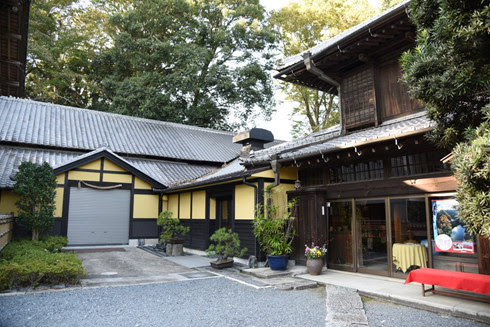
A two-hour train ride from Tokyo, Sudo Honke is Japan's oldest sake brewery, founded in 1141,
These are institutions that have accumulated trust, technique, and legitimacy over centuries. Many have stayed family-owned for generations.
But succession is never simple! Just as in the West, the next generation doesn’t always want to take over the family business. (As our friend Hayato mentioned, bonsai masters are retiring without successors)
As elder Japanese retire, acquisition entrepreneurs and private equity funds are stepping in to acquire and preserve businesses whose founders are ready to move on. (Unlike the leveraged buyout model common in the US, the goal is to keep the company alive.)
Two parallel manufacturing traditions
Japanese firms place unusually high emphasis on durability, precision, and incremental improvement. Products are designed to perform reliably for decades.
That philosophy has produced two distinct but complementary manufacturing traditions that run through the Japanese economy.
Craftsmanship and longevity
The first tradition centers on craftsmanship.
Industries share a common philosophy: products should be carefully made, maintained, and appreciated over long periods of time.
Japanese denim producers became globally famous for small-batch weaving techniques and meticulous quality control.
Knife makers in cities such as Sakai and Seki still use techniques derived from centuries-old swordsmithing traditions.
Japanese vinyl records are prized by collectors for their ridiculously high sound quality.
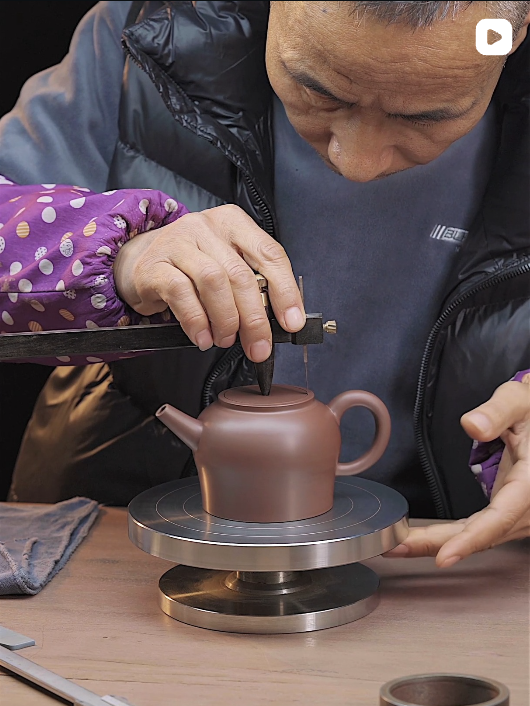
One of my favorite Instagram accounts is Teapot Craftsman, whose videos document the entire process of making handmade Chinese clay teapots with meticulous care, often starting from scratch — crushing raw clay rocks. Each video is like a daily moment of zen.
Increasingly, this emphasis on longevity is resonating globally as consumers begin to push back against disposable goods and fast-fashion consumption patterns.
As we discussed last week, over the past two decades, Japanese whisky has become one of the most sought-after (and scarce) categories in the global whisky market.
This is partially why we partnered with dekantā on Whisky I, our upcoming SPV focused on Japanese whisky casks.
This week, Wyatt hosted a Q&A session with Ronan and Samuel from dekantā. It's a good background listen if you’re interested in our Whisky I SPV. (I was going to change the default thumbnail for this video, but I kinda like it. Don't worry, Wyatt's chugging water, not whisky)
Hyper-efficient mass production
Ironically, running alongside this artisanal tradition is another hallmark of Japanese industry: extreme manufacturing efficiency.
Japan excels at building systems capable of delivering reliable products at enormous scale. Convenience stores, consumer electronics, and affordable apparel all reflect an industrial culture obsessed with process and logistics.
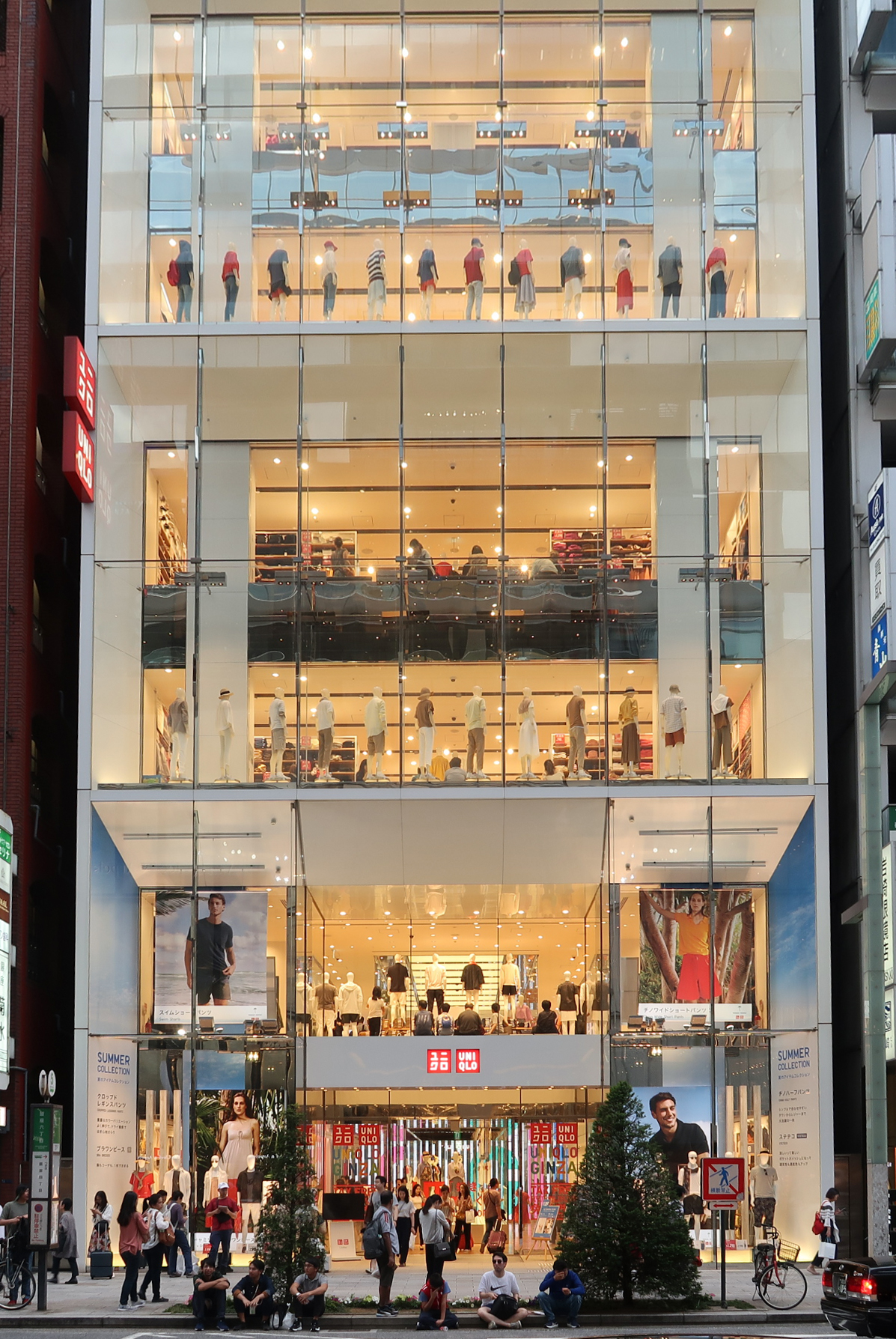
Uniqlo is now the world's third largest apparel retailer behind Zara and H&M. They focus on timeless basics rather than rapidly changing trends. Many items stay in production for years with incremental improvements, making the strategy closer to "fast retailing" than disposable fast fashion., Image of their flagship store in Ginza courtesy of Wikipedia.
Another great example is YKK. Never heard of them? Look down. The firm produces roughly half of the world’s zippers.
Rather than relying on a fragmented supply chain, YKK vertically integrates nearly every stage of production. The company smelts its own brass (!) manufactures its own machinery, weaves its own zipper tape, and even produces the boxes used to ship its products. The goal is straightforward: eliminate failure points.
Another Japanese strength is not always invention from scratch, but reinvention through operations.
Take Toyota, for example. Toyota Production System did not invent the factory, but redefined how factories run through just-in-time flow (JIT) and jidoka.
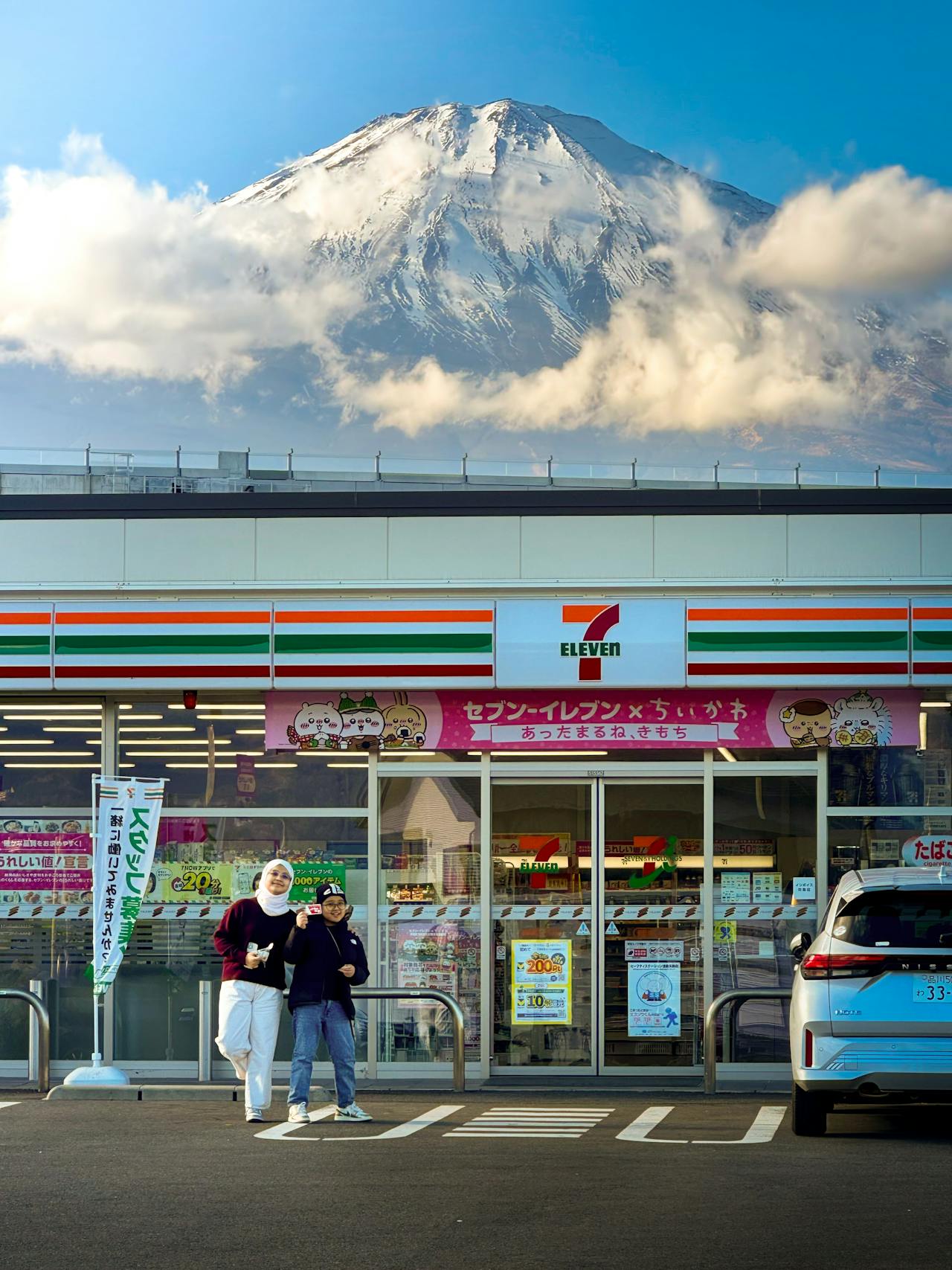
Japan's edge lies in taking something familiar and making it operationally superior. 7-Eleven was born in the US, but Japan turned it into a food-centered, service-rich retail model and scaled it globally. Photo by Ceq We.
Hyper-niche products and global supply chains
Another distinctive feature of Japan’s economy is how many companies dominate extremely narrow industrial niches.
Many of these firms operate far from public view. They produce specialized materials and components that nobody ever thinks about.
Yet they increasingly control the critical materials and process layers that advanced computing depends on.
TOTO is more than just the world's best toilets (IYKYK). It's advanced ceramics manufacturing could be the next big thing in AI.
Nittobo dominates something called T-glass, a specialized fiberglass cloth used in advanced semiconductor packaging — an AI supply chain product that has become a bottleneck for Nvidia and Apple!
Ajinomoto's ABF film and JX Advanced Metals' sputtering targets show the same pattern.
These bottlenecks don’t only appear in advanced manufacturing. They can show up in agriculture too.
Have you noticed a ton of matcha lattes lately? Of course you have! Global demand has surged as matcha drinks and desserts have spread worldwide. But this has led to a matcha shortage.
Producing high-grade matcha is slow. Most Japanese matcha farms are small family-owned operations. Instead of relying on industrial machinery, these farmers prefer traditional production methods. The process relies on shade-grown tea leaves and stone grinding.
Supply cannot scale quickly, and this boom has caused prominent Japanese tea producers to limit sales or temporarily suspend certain products.

The matcha shortage is the quinoa boom a decade ago, where a traditional, slow-growth staple rapidly transformed into a global premium product.
Maintenance as an export
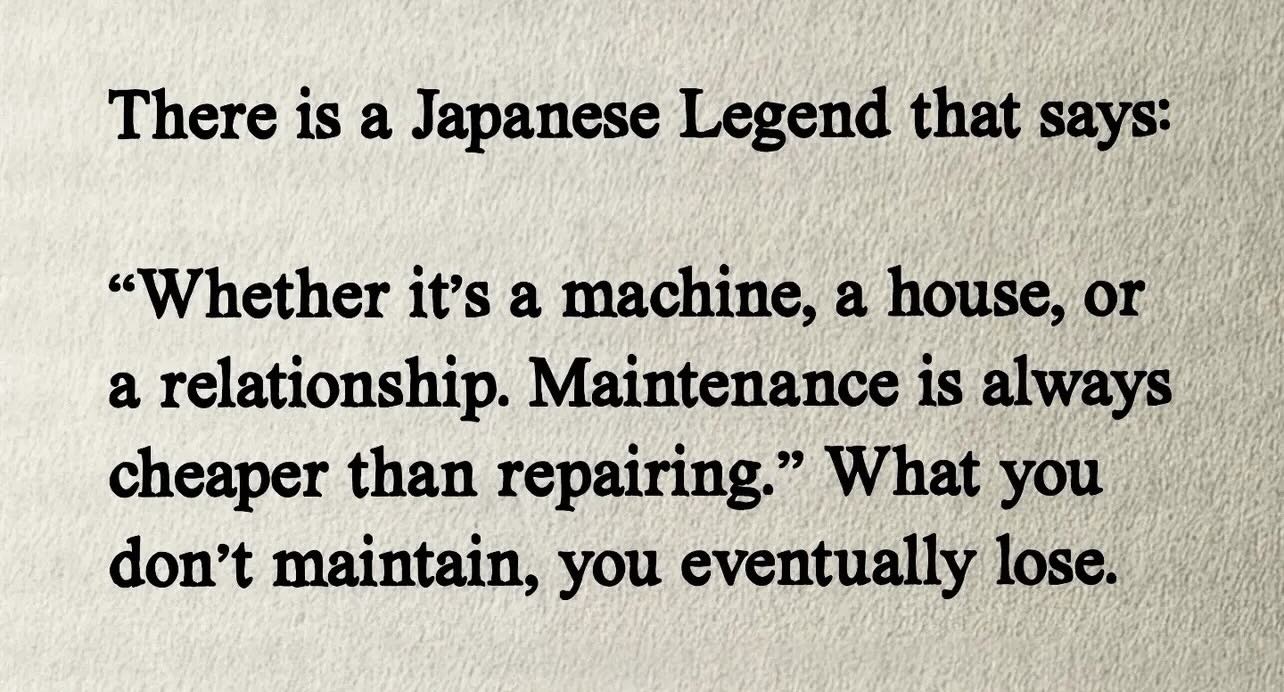
Japan also exports something harder to see than products: maintenance logic.
In Japanese-backed MRT projects in Jakarta, financing is tied to Japanese rolling stock and signaling while emphasizing safety, punctuality, and reliability.
And in Mitsubishi's Manila subway contract, the export covers not just trains but integrated systems including trackwork, power, communications, and platform doors. Japan does not just export trains, it exports systems designed to keep working.
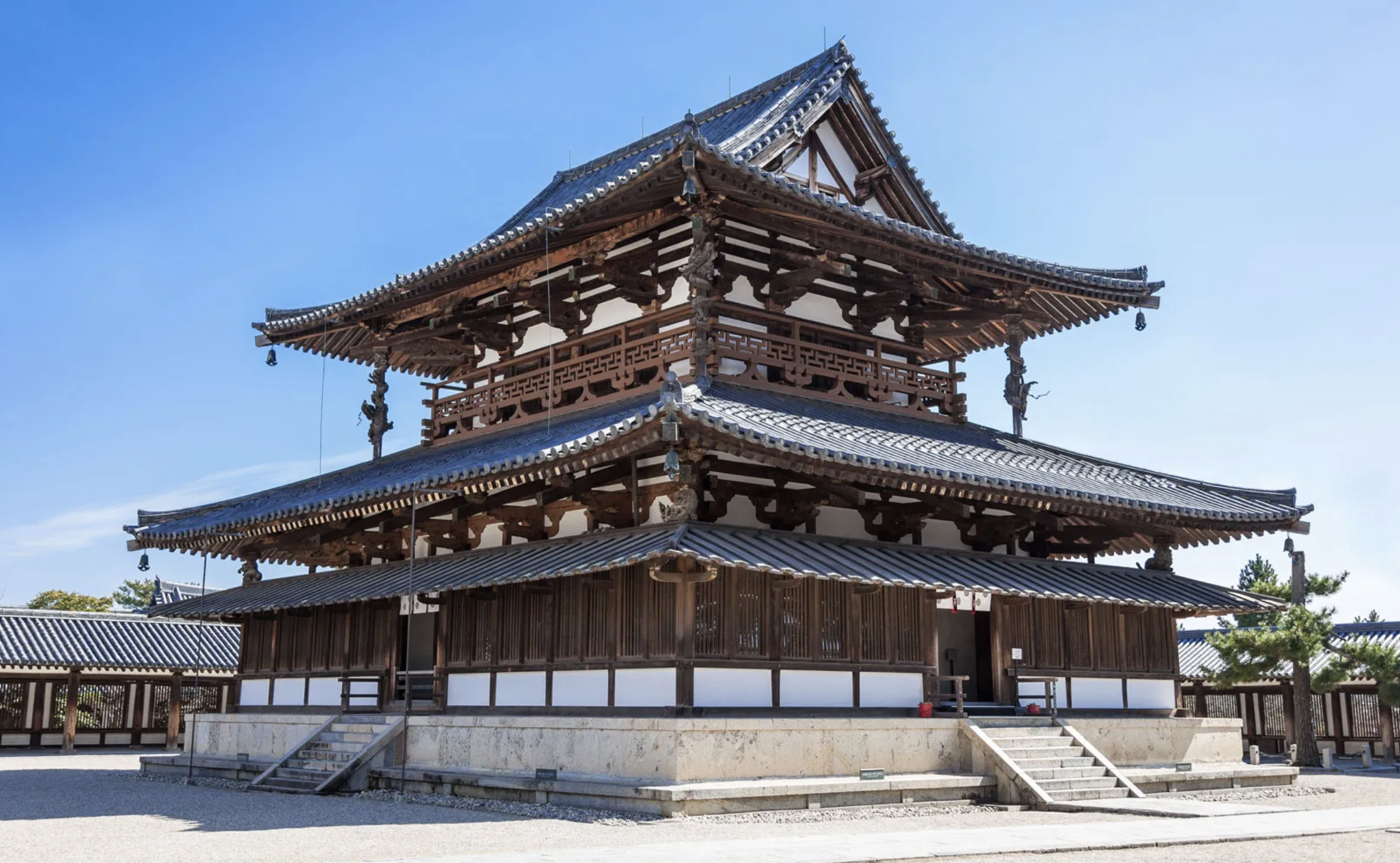
It is better to care for something before it breaks than to repair it afterward. A powerful Japanese example is the Shikinen Sengu of Ise Jingu, where shrine buildings are rebuilt every 20 years, passing down rituals and craftsmanship to the next generation.
Other areas I'm curious about
The demographic squeeze
You know how birth rates are falling worldwide, and countries are struggling to adapt? Japan is on the front lines of that.
Japan’s population is aging faster than any other developed country. They're already living in the demographic future many developed economies will eventually face; offering the rest of the world a preview of how advanced economies may adjust as longevity becomes a defining economic force.
Demand is rising for the usual suspects: elder care services, healthcare technology, robotics, etc. But really, what they need is more people.
The country has quietly expanded immigration to offset labor shortages. Foreign workers hit a record 2.57 million in 2025, a notable shift for a country long associated with strict immigration policies.
"The sense of crisis among Japanese people is extremely high right now. Japanese people are afraid of external change." - Hayato Takahashi
At the same time, this is creating some great opportunities in the longevity economy
More than 29% of its population is over the age of 65, and one research estimate suggests Japan’s anti-aging products market could grow from roughly $2.92 billion in 2024 to $5.36 billion by 2032.
Private equity is ramping up
Japan’s traditionally conservative corporate culture is slowly opening to outside capital.
Global PE firms have been increasing their activity in the country, while a new generation of domestic funds is beginning to emerge.
The result is a growing market for acquisitions, carve-outs, and operational turnarounds, with private equity deals in Japan reaching record highs in 2025.
Industrial policy
As countries look to diversify supply chains and reduce reliance on China, Japan’s manufacturing ecosystem has recently taken on geopolitical importance.
Under new Prime Minister Sanae Takaichi, is positioning itself as a strategic manufacturing partner for Western economies.
The government has identified 17 strategic sectors and 61 priority technologies for public-private investment. And they recently set a massive target to boost domestic semiconductor sales to 40 trillion yen by 2040
A culture of civic responsibility
One recent story captured something distinctive about Japanese civic culture.
An anonymous donor recently delivered 21 kilograms of gold bars worth $3.6 million to the Osaka waterworks bureau to help repair aging pipes!
Local media report the same individual has made similar donations in the past. The gesture reflects a long tradition of quiet civic responsibility that occasionally surfaces in unexpected ways.
Pachinko
Japan technically bans casino gambling. Yet pachinko parlors generate tens of billions of dollars each year through a legal workaround involving token exchanges.
Players win prizes that can be exchanged off-site for cash through affiliated businesses, allowing the system to operate within the letter of gambling laws.
The result is one of the world’s most unusual gambling ecosystems.
Pachinko doesn't seem like my cup of tea. (Matcha is my cup of tea.)
Closing thoughts
The more I look at Japan, the more I realize it's the antithesis to the frictionless "throwaway culture" permeating the west.
It feels like a collection of overlapping themes: culture, tourism, timeless craftwork, specialty manufacturing, longevity, quality obsession, and a thousand tiny niches scattered like autumn leaves.
As we plan the trip, these are some the themes we’re most excited to keep digging into. Some may turn into full issues later. Some may end up being dead ends. But Japan feels like the kind of place where the interesting stuff starts once you get past the obvious stuff.
I'll leave you with a comment from our bonsai friend Hayato:
"I used to think innovation meant the Silicon Valley model, Steve Jobs, Elon Musk, disruption, category creation. But over time, I came to realize that this lens alone misses something essential about Japan.
Many of Japan’s most important innovations emerge not through rupture, but through reinvention, continuity, invisible specialization, and the design of systems that keep working.
This is not just about one particular industry. It is a broader pattern of taking ideas from outside, adapting them to local conditions, operating them with care, and over time evolving them into something deeply and distinctly Japanese.
That, to me, is where Japan’s strength lies." 🇯🇵
---
That's it for today!
I hope you enjoyed Part 1 in this series on investing in Japan.
Part 2 will arrive when it arrives. Japan rewards patience, and we’re in no rush.
In the meantime, our trip to Japan is happening this fall. We can realistically only take 10-12 people max. So if you're interested in joining, get on the list.
And the Whisky I Deal Memo is coming next week. Express interest here.
Until next time, Stefan
Disclosures
This issue was written and edited by Stefan von Imhof, with help from Hayato Takahashi.
This issue was sponsored by Music Royalties Inc
Alt Assets, Inc has no current holdings in any companies mentioned in this issue. We are planning on creating an SPV with dekantā.