Let’s go treasure hunting
Welcome to the WC, where you're trapped in my mind for eight to twelve minutes weekly.
Today we're going deep into two different--but surprisingly similar--investment ideas
Let's get to it.
Searching for buried treasure
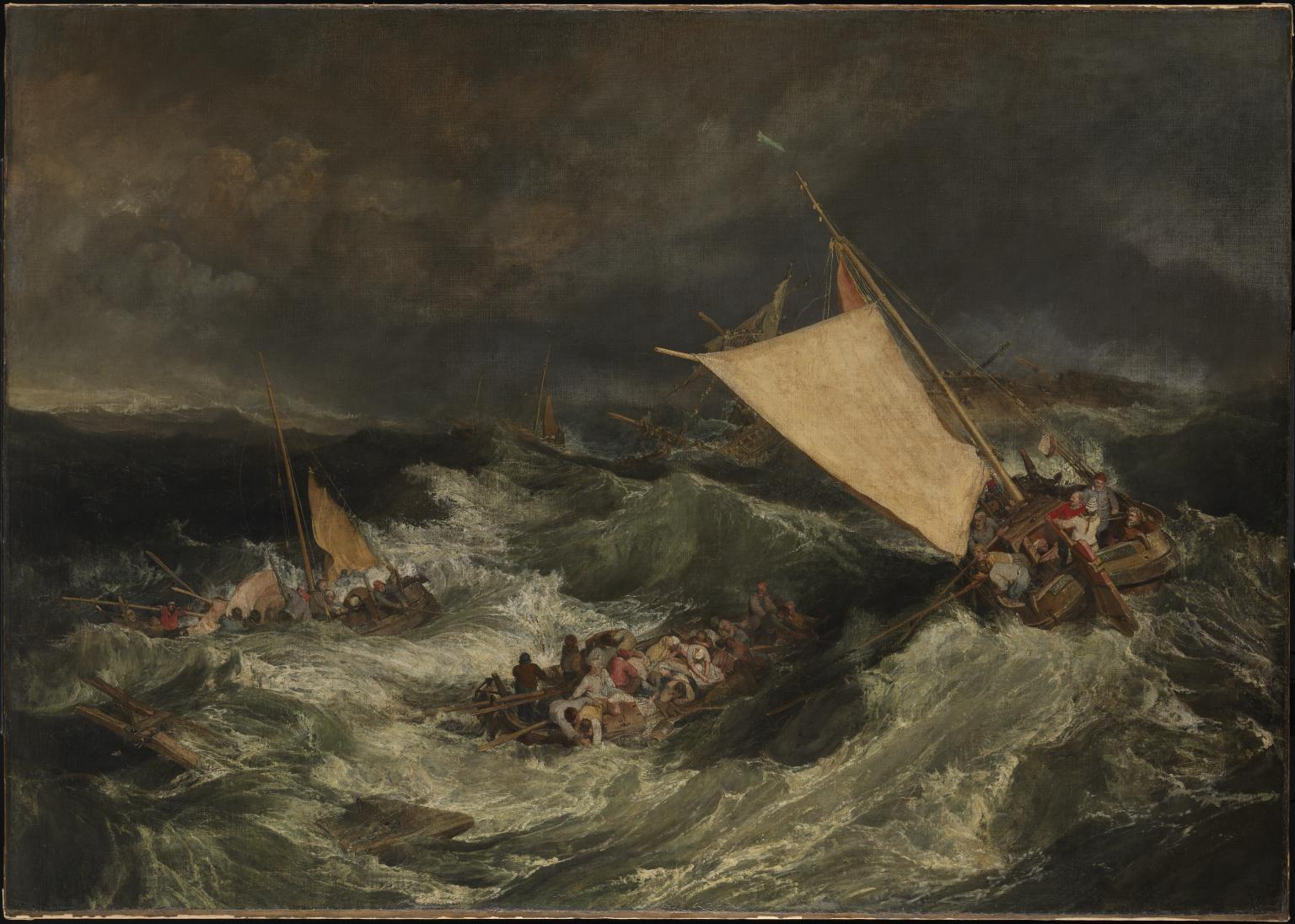
The Shipwreck J.M.W. Turner
Next spring, we’re bringing Altea members our most adventurous investment opportunity ever: hunting for sunken treasure.
Which, as it happens, is quite a fraught proposition from—yes—a piratey point of view but also a legal and structural one. There’s a huge amount of diligence to do, and I’ve just begun the process.
Before we get to our opportunity, you need to understand two things that can go catastrophically wrong in shipwreck salvage—even when everything goes right.
The first is a legal problem. The second is a structural one. Both have destroyed investor returns in projects that successfully found hundreds of millions in treasure.
Let’s start with the legal nightmare.
The SS Tilawa
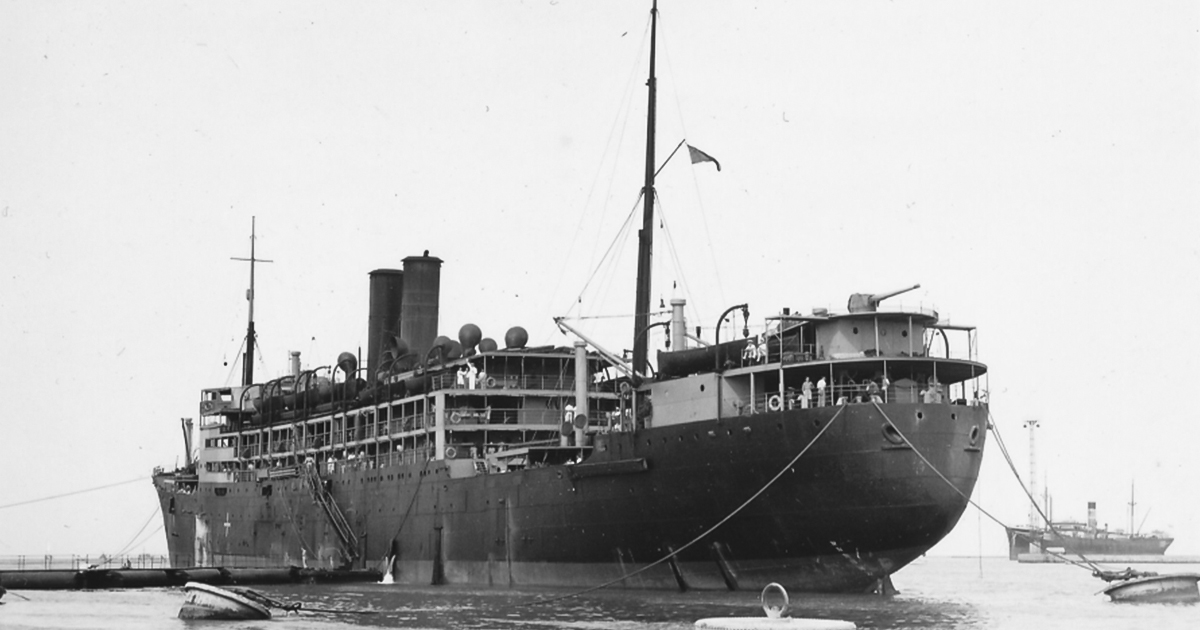
In 2017, Argentum Exploration accomplished something extraordinary: they recovered silver bars from the SS Tilawa, sitting 15,000 feet down in the Indian Ocean. It was the deepest precious-metal recovery in history, a technical marvel that pushed the boundaries of deep-sea robotics.
The SS Tilawa was a British passenger ship, torpedoed in 1942 by a Japanese submarine while carrying a cargo of silver bars purchased by the South African government.
Argentum Exploration spent years on archival research before hiring Deep Ocean Search to locate the wreck in December 2014. The recovery operation began in January 2017, using cutting-edge ROV technology to recover tons of silver from three miles down. They invested millions and executed flawlessly—the kind of success every shipwreck investor dreams about.
And then the UK Supreme Court took it all away.
South Africa claimed the silver under sovereign immunity.
Their argument: government-purchased cargo remains state property forever, regardless of how long it sits underwater.
Argentum countered that 75 years submerged qualified as abandoned property under maritime law—standard salvage doctrine.
The lower courts agreed. They'd done the work, taken the risk, and recovered treasure that would have remained lost forever without their investment and expertise.
South Africa appealed. In May 2024, the UK Supreme Court reversed the lower court ruling and awarded 100% of the recovered silver—worth approximately $43 million—to South Africa.
Argentum Exploration received nothing—zero return after years of work and millions deployed. They didn't even recover their costs.
This wasn't a case of salvors breaking rules or cutting corners. They had done extensive legal research. They believed they had clear title. They executed perfectly. One judicial interpretation destroyed everything. Sovereign immunity doesn't care about your due diligence, your technology, or your spreadsheet.
If Tilawa sounds like an unusual case, it's not. In 2007, Odyssey Marine Exploration—the most sophisticated deep-water salvage company in the world—found a shipwreck off the coast of Portugal and recovered over 500,000 silver coins worth an estimated $500 million. They code-named the project "Black Swan" to maintain secrecy during the delicate recovery operation.
Spain identified the wreck as the Nuestra Señora de las Mercedes, a Spanish naval frigate that sank in 1804. They invoked sovereign immunity: a warship is state property forever, regardless of circumstance.
What followed was a five-year legal battle that Odyssey ultimately lost. In 2012, US courts ordered every single coin returned to Spain. Odyssey didn't just lose the treasure—they had to pay Spain's legal fees on top of their own.
Total investor return: negative.
Two of the most technically successful deep-water recoveries in modern history. Combined treasure value north of $500 million. Combined investor return: $0.
Not because the treasure wasn't real. Not because of bad seamanship or failed technology. Because legal risk, it turns out, cannot be insured, hedged, or engineered away. When a sovereign state wants its property back, courts tend to agree—even 75 or 200 years later.
So sovereign immunity is the first trap. The solution seems straightforward: avoid state-owned cargo entirely. Stick to merchant ships. Get proper salvage contracts. Document legal clearance obsessively. Only pursue wrecks with crystal-clear title.
Let's say you do all that. You find a legitimate commercial wreck—a private merchant vessel carrying privately owned bullion with no sovereign immunity issues. The legal due diligence is impeccable. The treasure is recovered, authenticated, and sold.
Surely then investors make money?
Ask Odyssey Marine's shareholders.
Odyssey Marine Exploration isn't some promotional penny stock peddling treasure maps. They're pioneers in deep-ocean salvage technology, publicly traded on NASDAQ, with a track record that would make most exploration companies envious.
In 2003, they discovered the SS Republic and recovered 51,000 gold coins plus thousands of artifacts—estimated value $75-100 million.
Then came their biggest success: the SS Gairsoppa, a British cargo steamer torpedoed in 1941.
After discovering the wreck in 2011, they conducted two recovery expeditions in 2012 and 2013, ultimately recovering 110 tons of silver—3.5 million troy ounces—worth approximately $69 million at 2013 prices.
Under contract with the UK government, Odyssey kept 80% of the proceeds: $55 million. They also successfully recovered silver from the SS Mantola and completed numerous other projects.
Over two decades, Odyssey generated hundreds of millions of dollars in gross treasure value. This wasn't hype or vaporware. You can buy Gairsoppa silver bars on eBay or APMEX today—certified, authenticated, stamped with the ship's name and recovery date. The treasure is real.
woof
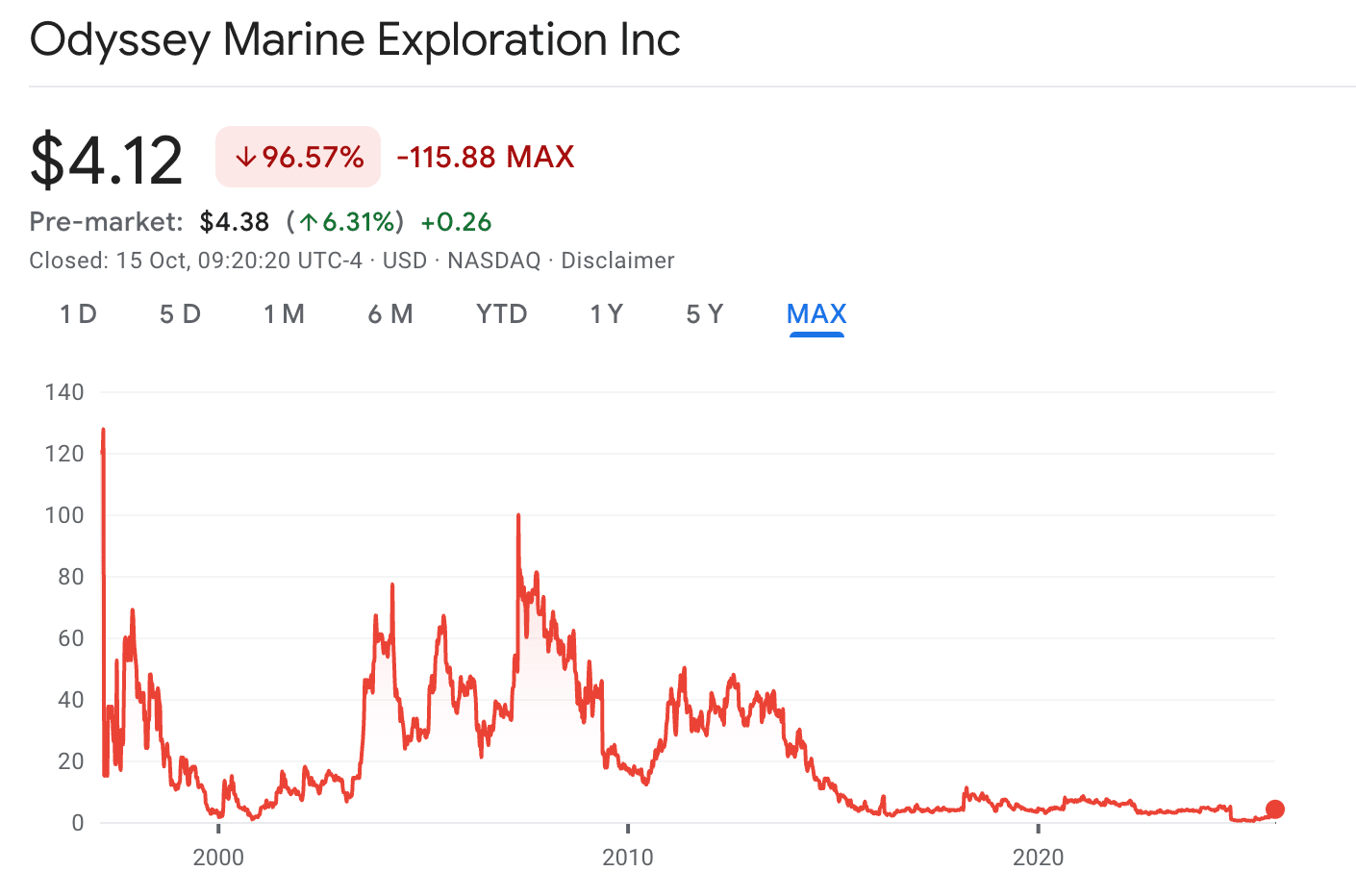
Here's what the stock did: In 2003, when they found the SS Republic, Odyssey traded around $8 per share. By 2010, when they signed the Gairsoppa contract, it was $3-4. After the 2012-2013 recovery operations that brought up $55 million in silver for the company, the stock sat at $2-3. Today, in October 2025, it trades at $4.
An investor who bought $10,000 of Odyssey stock in 2003—right at the moment they discovered the Republic—would have roughly $4,500 today. Despite the company recovering treasure worth more than its entire current market capitalization. Despite successful project after successful project. Despite being right about the technology, right about the wreck locations, right about the execution.
How do you find $200 million in treasure and still destroy shareholder value?
Four reasons.
First, dilution.
Shipwreck projects take years from signing a salvage contract to converting silver bars into cash. Odyssey had to raise capital through repeated stock offerings to fund operations, vessel maintenance, and equipment upgrades while waiting for recoveries to pay out. Every offering watered down existing shareholders.
Second, operating losses.
You can't mothball a deep-sea salvage operation between projects. The company had to maintain expensive research vessels, ROV equipment, and specialized crews continuously—high fixed costs against lumpy, unpredictable revenue. Burn rate consistently exceeded recovery rate.
Third, legal costs.
The Spain case alone cost Odyssey tens of millions in legal fees over five years. Even when you successfully defend your recoveries, legal costs devour margins. Maritime law, sovereign immunity disputes, and international jurisdiction battles aren't cheap.
Fourth, failed projects.
Not every wreck pans out. Some cargoes aren't where the manifests said they'd be. Weather delays, equipment failures, permit problems—dry holes are expensive in any exploration business. For every Gairsoppa success, there were projects that consumed capital and returned nothing.
The result: what probably looked like 3-4× returns at the project level—the Gairsoppa recovery itself was likely quite profitable on direct costs—became a company-level failure, which became a shareholder-level catastrophe.
This is shipwreck investment's double-bind. Survive sovereign immunity, and you still face the structure problem. The treasure is real. The returns aren't.
What This Means for Us
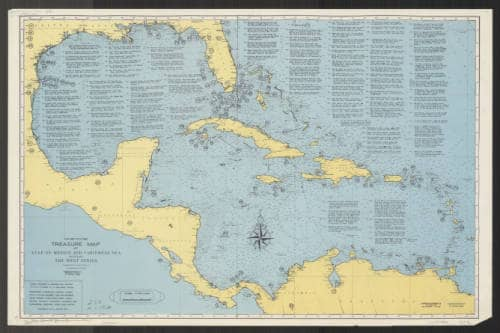
Verified shipwrecks with treasure
These aren't edge cases or bad luck. They represent the two central risks in shipwreck salvage: unhedgeable legal exposure and structural wealth destruction. Any deal we evaluate for Altea members must solve both problems. Legal clarity isn't optional—it's existential. And financial structure matters more than the treasure's gross value.
Here's what we're looking for on the legal side:
A merchant vessel, not state-owned. No sovereign immunity exposure whatsoever.
Documented cargo manifest from insurance records or government archives—not legend or speculation.
A signed salvage contract with the relevant coastal government, not "in negotiation" or "expected soon."
Preferably a 20th-century wreck, which offers clearer legal frameworks than colonial-era vessels.
No war grave designations that could trigger ESG or political opposition.
And an independent legal opinion on title from a maritime law firm with actual salvage experience.
On the structural side:
We need a project-level special purpose vehicle, not an investment in an operating company's stock.
Milestone-based funding where capital is released only after verified progress—archival proof of cargo, confirmed wreck location, visual ROV confirmation, then recovery.
The operator must have a prior successful recovery proving technical capability—we're not funding someone's learning curve at 5,000 meters depth.
A realistic budget: $15-25 million for deep-water projects, including contingencies.
A clear exit strategy with pre-arranged buyers for bullion or a credible retail distribution plan for numismatic premiums.
And an insurance package covering vessel, equipment, liability, and political risk.
One more thing matters: Odyssey Marine—the most successful treasure salvage company in history—pivoted away from shipwrecks entirely. They now focus on seabed mineral mining for critical metals. They didn't leave because they couldn't find treasure. They left because the legal environment and financial structure made it untenable for a public company to generate consistent returns. That's the bar we need to clear.
So yes, we're evaluating a shipwreck opportunity for next spring. But after Tilawa and Odyssey, we know exactly what to avoid: sovereign immunity traps and structural wealth destroyers. The treasure is real—there are billions of dollars in documented WWII-era bullion sitting in international waters with potentially clear title. The technology is proven; 5-kilometer depths are routine now. But between legal risk and financial structure, most shipwreck investments are underwater in more ways than one.
Here's what gives me cautious optimism: the failures are predictable and therefore avoidable. Sovereign immunity? Solvable by restricting our search to merchant vessels with proper contracts. Structural dilution? Addressable through SPV structure and disciplined milestone funding. The graveyard of failed shipwreck investments is full of romantics who focused on the treasure and ignored the structure. We're doing the opposite.
Anyway, here's a scene from one of my favourite films about searching for shipwrecks.
Want to buy a film studio? In Sunderland?

The Architect’s Dream Thomas Cole
In June 2025, Cain International quietly walked away from a £450 million film studio project in Sunderland. No press release. No explanation. Just gone.
Crown Works Studios was supposed to transform 80 acres of former shipyard land on the River Wear into 1.5 million square feet of sound stages—a film production hub for northeast England, creating 8,000 jobs.
The UK government and local authorities had already committed £145 million in public funding. Planning permission was secured. Site remediation was underway. Then the main private backer vanished. By October, real estate firm CBRE had been hired to find a replacement investor.
Fulwell 73—James Corden’s production company—remains the “committed partner.” The project timeline? Now anyone’s guess.
How did this all go so wrong?
Sunderland? Where is that?
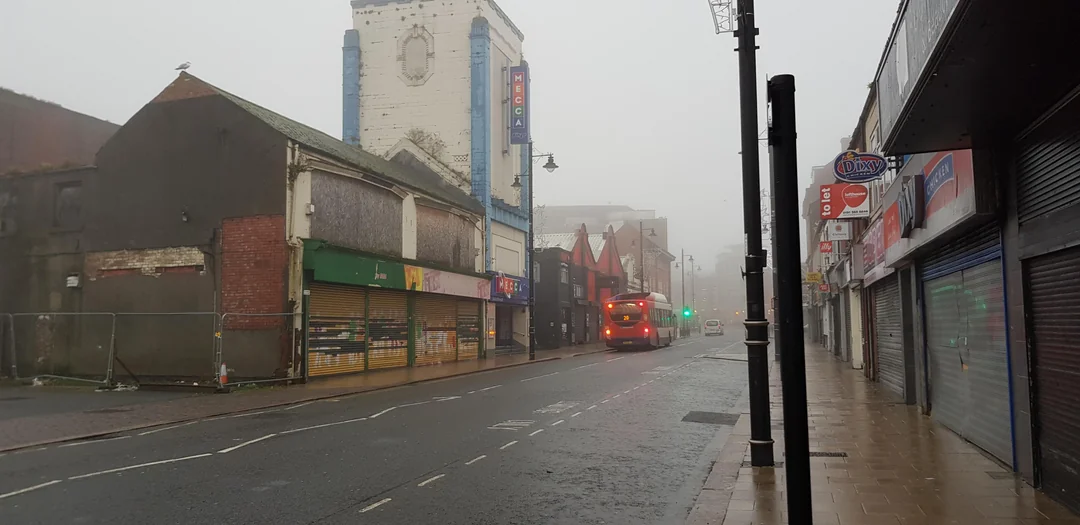
Sunderland. Grim.
Film studios need to be near the ecosystem that supports them. Sunderland isn’t.
Crown Works sits 272 miles from London, where the UK’s talent, post-production facilities, equipment rental houses, and specialized crews actually live.
Compare this to successful recent developments:
Sky Studios Elstree is 10 miles from central London and 20 minutes from Heathrow.
Pinewood and Shepperton are historic hubs with excellent transport links.
Shinfield Studios, 40 miles from London, landed Disney as an anchor tenant before construction began.
Even with generous tax incentives, logistics matter. Every major production needs daily access to specialized services—colorists, sound mixers, specialty equipment, and last-minute talent. Sunderland has none of this infrastructure.
The city is betting on becoming the UK’s Atlanta or Albuquerque—regional production hubs that thrived despite distance from Hollywood.

Hotlanta
But Atlanta worked because it combined aggressive tax credits with an international airport hub, existing film infrastructure, and crucially, warm weather.
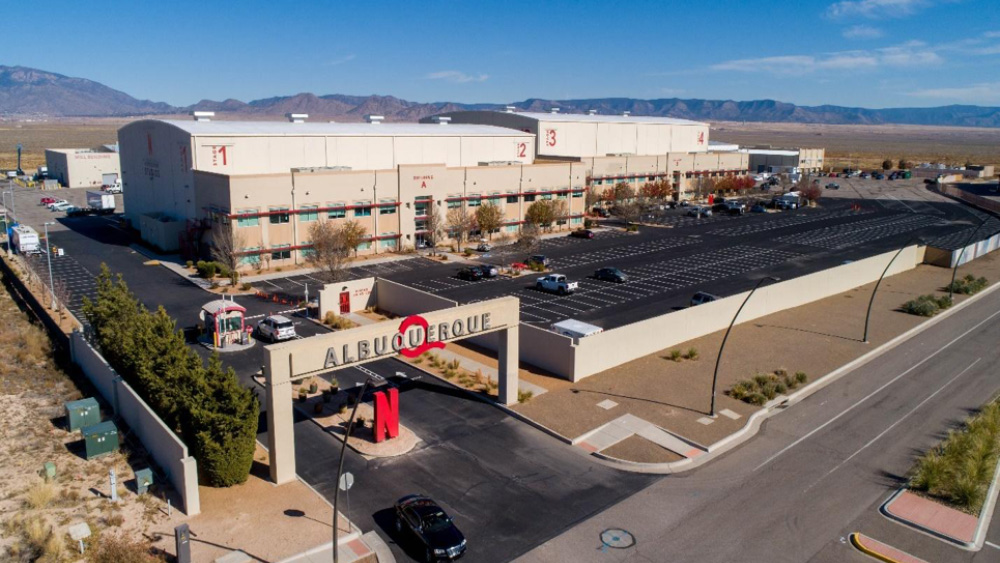
Netfleix invested billions in ABQ
Albuquerque offered extreme cost savings and unique desert landscapes.
Sunderland offers cheaper land. That’s it.
No major international airport. Limited local crew depth. Grey, rainy weather that makes outdoor shooting a nightmare gamble.
It's like someone tried to put a billion-dollar studio in a rainier and darker version of Cleveland.
There’s also a circular dependency problem: you can’t attract major productions without supporting infrastructure—hotels, restaurants, equipment suppliers, a trained crew base.
But you can’t build that infrastructure without sustained production activity. London and the Southeast solved this over decades. Sunderland would need years of government subsidies beyond simple tax credits to bootstrap this ecosystem. That’s not an investment thesis. That’s economic development policy, and it might fail.
Geography isn’t destiny, but it’s a pretty good indicator.
James Who?
If you’re building a £450 million film studio, your anchor partner should probably make things that need film studios.
Fulwell 73 is James Corden’s production company, with credits including “Carpool Karaoke,” “The Late Late Show” (which ended in 2023), “Sunderland ‘Til I Die,” and “The Kardashians.”
No sign of a film studio here
This is reality television, talk shows, and documentaries. None of this requires massive sound stages—you could shoot in existing facilities or on location.
Big-budget dramas and films—the kind that justify constructing 20 sound stages—are made by Netflix, Amazon Studios, Disney, or established UK production companies with proven track records and deep pockets.
Fulwell makes good television. It’s just not the kind of television that needs what Crown Works is building.
The financial picture raises more questions. Fulwell can’t write a £300 million check—they need the investor as much as the investor needs them.
In November 2024, they merged with LeBron James’ SpringHill Company, which itself had been the subject of recent industry scrutiny over its business model.
This isn’t Pinewood Group, an operator with decades of experience running studios profitably.
It’s not Legal & General, the institutional investor that partnered on Sky Studios Elstree.
Without Cain International, Fulwell is essentially a creative partner with limited relevant experience and no capital.
Successful studio developments have anchor tenants committed before construction: Disney pre-leased space at Shinfield; Sky built Elstree for its own productions.
Crown Works has a company that makes reality TV.
Will Netflix, Amazon, or Disney commit to multi-year leases in Sunderland? There’s no evidence they will. Without anchor tenants, you’re building 1.5 million square feet of speculative real estate in a market where film production is down 40% year-over-year.
Fulwell 73 might be committed. But commitment isn’t capital, and enthusiasm doesn’t pay construction bills.
That's all for this week; I hope you enjoyed it.
Cheers,
Wyatt
Disclosures & Disclaimers The information contained in this newsletter is provided for general informational purposes only and does not constitute investment, legal, tax, or other professional advice. Altea does not offer or sell securities through this newsletter. Any references to investment opportunities are not offers to buy or sell any security. You should not construe any such references as a recommendation to invest.
All investments carry risk and may result in loss. You are solely responsible for conducting your own due diligence and consulting with your own legal, tax, and investment advisors before making any investment decisions.
Altea does not guarantee the accuracy or completeness of information provided by third parties. Past performance is not indicative of future results.
Only accredited investors, as defined by applicable laws, may participate in Altea investment opportunities.